Catford Cat landmark rubbish drop off points explained
Posted on 09/10/2026

If you live, work, or pass through SE6, you have probably noticed how often rubbish disposal becomes a very practical question rather than a vague "I'll sort it later" job. That is exactly why Catford Cat landmark rubbish drop off points explained matters. People want to know where to take awkward bags, broken furniture, garden cuttings, builder's rubble, and general clutter without making a mess of the street or ending up with a surprise charge.
This guide breaks the topic down in plain English. You will see what the phrase really means in a local Catford context, how drop-off options usually work, what to watch for, and when a collection service is the better fit. We will also cover common mistakes, basic compliance, and a few realistic examples from everyday life. Simple enough? Hopefully. But not simplistic.
Why Catford Cat landmark rubbish drop off points explained Matters
Let's face it: rubbish piles up in the real world, not in neat categories. A wardrobe arrives flat-packed, then somehow becomes a mountain of cardboard. The garden gets trimmed, and suddenly there are sacks of green waste. A tenant moves out, and the flat contains one mystery chair too many. In Catford, people often want a fast, sensible way to deal with all of that near the landmark areas they already know and use every day.
When people search for Catford Cat landmark rubbish drop off points explained, they are usually trying to answer a few practical questions at once:
- Where can I dispose of waste without causing hassle?
- What types of rubbish can go where?
- Is it cheaper to drop things off myself or book a collection?
- How do I avoid fines, fly-tipping concerns, or rejected waste?
That matters because disposal is not just about convenience. It also affects safety, street cleanliness, neighbour relations, and the overall look and feel of the area. In a busy neighbourhood like Catford, one badly managed pile of rubbish can become a real nuisance very quickly. You know the sort of thing: a black sack left beside a wall, then one more, then a seagull or fox has a go at it. Not ideal.
Understanding the basic logic of local rubbish drop-off points also helps you make better decisions. If you know what kind of waste you have, how much there is, and whether it is mixed or separated, you can choose the right route first time. That saves time, money, and a fair bit of faff.
How Catford Cat landmark rubbish drop off points explained Works
In simple terms, "drop-off points" refers to places where waste can be taken away from your home or business and handed over for proper disposal or recycling. The exact arrangements vary, but the basic idea is always the same: you transport the waste yourself, or you arrange for someone else to do it, and it is processed somewhere suitable.
For Catford residents, there are usually a few broad routes:
- Local drop-off facilities for certain types of household waste, recyclables, or bulky items.
- Booked collection services for rubbish that is too awkward, heavy, or time-consuming to move yourself.
- Specialist disposal routes for white goods, furniture, builders' waste, or commercial waste.
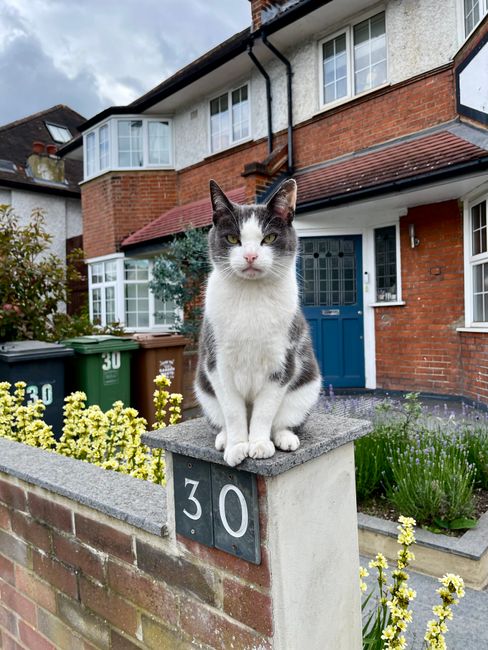
The phrase "Catford Cat landmark" is useful because it suggests a real local reference point. If you are near a well-known Catford area or landmark, the practical question is usually not "What is waste management in theory?" It is, "Where do I take this thing today?" That is a much more human question. And a more urgent one.
The process generally works like this:
- You identify the waste type: household, garden, builders', bulky, electrical, or commercial.
- You check whether it can go into a local drop-off route or needs a collection.
- You separate items where possible, especially recyclable material.
- You transport the waste safely, using suitable bags, boxes, or wrapping.
- You make sure the receiving site or service is authorised to handle that waste.
If that sounds straightforward, it mostly is. The tricky part is that different waste streams behave differently. A bag of leaves is not the same as a broken fridge. A sofa is not the same as a sack of builders' rubble. One is light but bulky, another is dense and messy, and both can become expensive if you choose the wrong route.
Key Benefits and Practical Advantages
There are a few obvious benefits to understanding local rubbish drop-off points, but some are less obvious and still worth pointing out.
- Less clutter at home - once the waste leaves the property, the space feels usable again.
- Lower risk of fly-tipping mistakes - you are less likely to leave items in the wrong place "just for now."
- Better control over cost - you can compare self-drop, booked collection, and specialist services.
- More recycling potential - sorting waste properly often improves what can be recovered.
- Less stress during moves or clearances - big jobs feel smaller when you have a plan.
There is also a time-saving advantage. Oddly enough, a little bit of planning often beats a last-minute sprint across Catford with a boot full of mixed waste and nowhere to put it. That sort of panic almost always ends with extra charges or a second trip. Nobody wants that on a Saturday morning.
For landlords, shop owners, and builders, the benefits are even clearer. Efficient waste drop-off and collection keeps a site tidy, reduces trip hazards, and helps the whole job run more smoothly. In our experience, the neatest sites are usually the ones where rubbish is dealt with on day one, not day nine.
Expert summary: the best rubbish solution is rarely the one that sounds simplest on paper. It is the one that fits your waste type, your vehicle access, your time, and your tolerance for effort. That sounds obvious, but it saves people a lot of grief.
Who This Is For and When It Makes Sense
This topic is relevant to far more people than you might think. It is not just for households doing a full clear-out. It can help anyone dealing with anything from a few awkward items to a larger project.
It makes sense if you are:
- moving house and need to clear unwanted items quickly;
- renovating a kitchen or bathroom and need debris removed;
- tidying a garden after a seasonal cut-back;
- replacing furniture or appliances;
- running a small business with regular rubbish needs;
- managing a rental property between tenancies;
- trying to avoid leaving waste in communal areas or on pavements.
It also makes sense if you are looking for a cheaper option and are happy to do the lifting yourself. Truth be told, that is not always the best choice. If the items are heavy, messy, or likely to damage a car, a collection service can be better value than a heroic DIY run that takes all day and leaves you aching by tea-time.
On the other hand, if you have a small amount of clearly separated waste and easy access to transport, a drop-off route can be efficient. The key is matching the method to the job, not forcing the job to fit the method.
Step-by-Step Guidance
If you want a simple way to approach rubbish drop-off in Catford, use this practical sequence. It works well for household jobs, landlord clearances, and light commercial waste alike.
1. Identify exactly what you need to get rid of
Start by listing the items. Be specific. "Rubbish" is too vague to be useful. Is it old furniture, bagged household waste, broken electronics, garden clippings, plasterboard, or a mixture? The more exact you are, the easier the next step becomes.
2. Separate waste by type
Try not to mix everything together if you can help it. Clean cardboard, green waste, heavy rubble, and bulky household items are handled differently. Separation can improve recycling and reduce the chance of rejection at the drop-off point.
3. Decide whether self-drop or collection is realistic
Ask yourself a blunt question: can I safely lift, carry, and transport this without making the day harder than it needs to be? If the answer is no, a collection may be the sensible route. If yes, continue.
4. Check access and loading conditions
Before you set off, think about parking, loading time, and whether you will need help. A wet afternoon, narrow street, or awkwardly shaped sofa can turn a simple trip into a small drama. Not every waste job needs drama.
5. Use the correct bags, boxes, or coverings
Loose waste in a vehicle is a nuisance and a safety risk. Sharp edges, dust, and spilled material can cause damage. Heavy items should be secured properly. If something smells, leaks, or sheds fibres, package it carefully.
6. Choose the right disposal route
Household waste, bulky items, builders' waste, and commercial waste may each need different handling. If you are unsure, ask before you go rather than hoping for the best. Hope is not a waste plan.
7. Keep proof of proper disposal if needed
For businesses, landlords, and builders, it is sensible to keep records of waste transfer, receipts, or booking confirmations where relevant. This is not overkill; it is good practice.
Expert Tips for Better Results
Here are the small things that tend to make the biggest difference. They sound minor, but they save time and prevent headaches.
- Measure bulky items first so you do not arrive with something that will not fit safely.
- Keep clean recyclables separate from dirty or mixed waste.
- Stack items logically before loading, with the heaviest pieces at the bottom.
- Plan around traffic and loading time if you are travelling during busy hours.
- Use a short checklist before leaving the property so nothing gets forgotten.
- Ask about restricted materials in advance, especially for electrical, plaster, or hazardous items.
One small but useful habit: take a quick photo of the load before you leave if it is a business or landlord-related job. It is simple, and it helps if you later need to confirm what was removed. Small detail, big peace of mind.
Another tip is to think in layers. First, what must go. Second, what can be reused or donated. Third, what genuinely needs disposal. That little pause often reduces waste volume more than people expect.
And yes, there is always that one drawer full of cables that nobody recognises.

Common Mistakes to Avoid
Most rubbish problems are not complicated. They are just the result of rushing. Here are the mistakes that come up again and again.
- Mixing all waste together and expecting it to be sorted for you.
- Assuming everything can be dropped off anywhere - it usually cannot.
- Underestimating weight, especially with rubble, soil, wet garden waste, or damp furniture.
- Leaving waste outside "for a minute" and accidentally creating an eyesore or nuisance.
- Ignoring business paperwork when records are needed for commercial or landlord waste.
- Booking too late and then paying more because the job has become urgent.
There is also a social side to this. In shared blocks or busy streets, poor waste handling creates friction with neighbours very quickly. A tidy clearance is almost invisible. A messy one is remembered for ages. That's just how it goes.
One more subtle mistake: choosing the cheapest-looking option without checking what is actually included. Hidden extras, restricted waste types, and missed access fees can quietly turn a bargain into an irritation. We cover that more directly in the pricing and compliance sections below.
Tools, Resources and Recommendations
You do not need special equipment for every job, but the right basic tools make rubbish handling much easier.
- Heavy-duty rubble sacks for dense waste and sharp offcuts.
- Gloves to protect hands from splinters, grime, and rough edges.
- Blankets or straps to secure bulky items in transit.
- Tape and marker pens for labelling sorted waste if several people are helping.
- A trolley or sack barrow for heavier items, especially in flat blocks.
- A simple measuring tape for furniture and appliance clearance planning.
As for related services, it helps to know where the different kinds of rubbish usually fit. For example, if you are clearing a home, house clearance in Catford may be more appropriate than trying to piece together multiple drop-offs yourself. If you are dealing with old seats, wardrobes, or other large items, furniture removal in Catford is often a cleaner, faster option.
For mixed household waste, a more general route such as domestic waste collection in Catford can be a sensible fallback when the waste does not fit neatly into a single category. And if the job involves appliances, don't forget that white goods and appliance disposal in Catford usually needs a more careful approach than standard rubbish.
For bigger jobs, a little context helps. The service pages on services overview and pricing and quotes give a clearer picture of what is typically included, while recycling and sustainability explains the broader approach behind responsible disposal. Useful reading, especially if you want to do things properly the first time.
Law, Compliance, Standards, or Best Practice
Waste disposal is one of those areas where best practice and legal responsibilities can overlap. You do not need to become a compliance expert to make sensible decisions, but you do need to avoid casual assumptions. Waste left in the wrong place, given to the wrong person, or carried without proper care can create problems.
For households, the key principle is simple: put waste only where it is meant to go, and do not leave items in a way that causes obstruction or nuisance. For businesses and landlords, the standard is higher. You should be comfortable that the waste is being handled by a legitimate operator, and that any necessary records are kept.
If you are booking a professional service, it is wise to check practical trust signals such as:
- clear pricing information;
- appropriate insurance and safety practices;
- evidence of waste carrier compliance;
- plain explanations of what is and is not accepted;
- reasonable payment security and terms.
Those points are not box-ticking exercises. They are what separates an organised waste operation from a risky shortcut. For more detail, see waste carrier licence and compliance and insurance and safety. If you want extra reassurance around buying and payment, payment and security is also worth a look.
Best practice is not about overcomplicating things. It is about making sure waste leaves your property cleanly, legally, and without creating a new problem somewhere else. That's the whole point, really.
Options, Methods, or Comparison Table
Different waste jobs need different methods. Here is a practical comparison to help you decide which route makes the most sense.
| Option | Best for | Pros | Limitations |
|---|---|---|---|
| Self drop-off | Small to moderate loads you can transport safely | Often flexible, direct, and good for sorted waste | Requires time, transport, lifting, and planning |
| Book a collection | Bulky items, mixed waste, awkward loads | Less lifting, less hassle, often quicker for busy people | May cost more depending on volume and access |
| Specialist disposal | Appliances, builders' waste, commercial waste | Better suited to specific materials and compliance needs | Can require sorting, paperwork, or extra handling |
| Full clearance service | Estate clearances, end-of-tenancy jobs, major clean-outs | Fast, organised, and good for large projects | Usually not the cheapest for tiny loads |
In practice, most people do not need the "best" option in a perfect sense. They need the easiest acceptable option that fits the job. If you are staring at three broken wardrobes and a bag of old toys at 8 p.m., the pure theory starts to matter less very quickly.
For pricing context, the article on rubbish clearance prices in SE6 is useful if you want a broader idea of what affects cost. And if you are comparing quick turnaround options, same-day rubbish removal near Catford Bridge may help you decide whether urgency is worth it.
Case Study or Real-World Example
Here is a realistic example. A Catford resident finishes a garden tidy-up on a Sunday afternoon. There are hedge cuttings, a broken plant pot, two bags of old soil, and a rusted metal frame from a collapsed shelf. None of it is dramatic, but together it is enough to clog up the side return and make the back entrance feel cramped.
At first, the instinct is to "just put it all in the car and sort it later." That is where things often get messy. Soil is heavy. Green waste is bulky but compressible. The metal frame is awkward. The broken pot is sharp. Suddenly the boot liner looks like it has had a rough day.
The better move is to split the waste into groups, bag the green waste properly, secure the sharp metal, and decide whether the soil is worth self-transporting or better left to a booked collection. In many cases, a mixed load like that is still manageable, but only if you prepare properly. The resident in this example saved time by not trying to force one type of disposal route to fit everything.
Another common scenario is a small business clearing packaging after a delivery day. Cardboard can be recycled efficiently if kept clean and dry, but once it gets wet or contaminated with food residue, its options narrow. A sensible system in advance keeps the back room from becoming a leaning tower of boxes by Thursday afternoon.
These examples sound ordinary because they are. That is exactly the point. Most waste decisions are ordinary, everyday judgments. Get those right, and the bigger jobs become easier too.
Practical Checklist
Use this before you arrange a drop-off or collection. It is short, but it catches the common problems.
- Have I identified the exact waste type?
- Is the load mixed, or can it be separated?
- Can I safely lift and transport it myself?
- Do I have the right bags, boxes, or straps?
- Do I know whether any items need specialist handling?
- Have I checked if business or landlord records are needed?
- Is the waste route suitable for the quantity involved?
- Do I understand the likely cost before I commit?
- Will the job leave the property tidy and accessible afterwards?
- Have I chosen the option that is least likely to create a second problem?
If you can tick most of those off, you are in a good place. If not, pause and rethink. A ten-minute rethink often saves an entire afternoon.
Get a free quote today and see how much you can save.
Conclusion
Catford Cat landmark rubbish drop off points explained is really about making a local waste decision with confidence. Once you understand the type of waste, the amount, and the safest way to move it, the whole thing becomes much less daunting. You are no longer guessing. You are choosing.
For some people, that means a simple self-drop with a van or car boot. For others, it means a collected service that saves time and lifting. There is no single perfect answer for everyone, and that is fine. The right solution is the one that keeps your home, street, or premises clean without creating more hassle than the rubbish itself.
And honestly, that is usually the quiet win people remember. The room is clear, the path is open, and the job is done. Small relief, big difference.


